Written by Fanny Di Domenicantonio, Director of Fox & Cubs, Nanny & Private Staff Agency, in collaboration with The Little Gym.
Children develop through movement, exploration and repetition. Long before formal learning begins, it is through physical activity crawling, balancing, climbing, exploring that children build the coordination, confidence and independence that underpin everything that follows.
A recent article from The Little Gym at Hampton and Teddington explores how early physical activity plays a central role in childhood development, and why creating the right conditions for movement matters far more than any structured programme alone.
Milestones Are reached through everyday movement
One of the key insights in the article is that developmental milestones are rarely reached through structured learning alone. They emerge through ordinary, everyday movement the repetition of reaching, pulling, balancing and falling repeated in different environments across the day.
Each time a child navigates a new physical challenge, however small, they are building a more sophisticated understanding of their body and the world around them. These are not incidental moments. They are developmental ones.
The role of the home environment
In practice, this development continues well beyond organised classes or structured sessions. The home environment plays an equally important role in supporting these early stages.
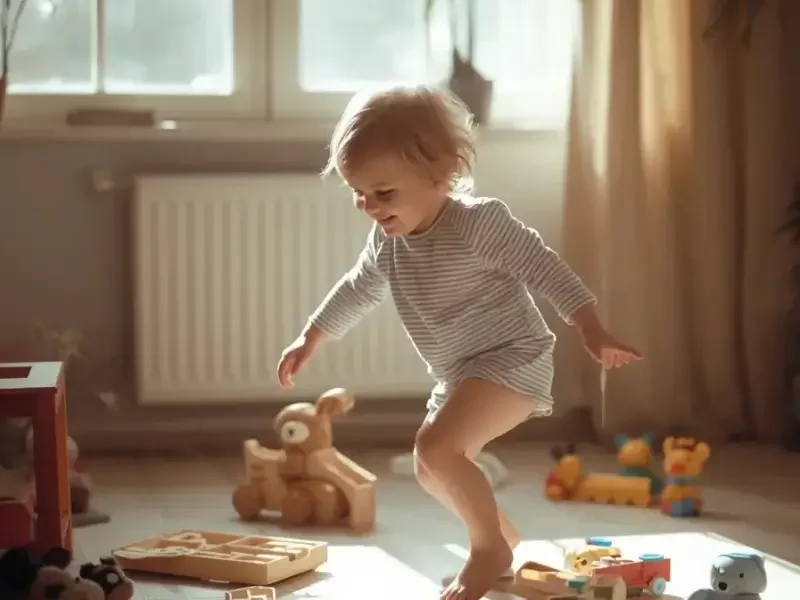
Creating space for movement at home, encouraging active play and allowing children to explore at their own pace helps reinforce what they experience in more structured settings. The garden, the living room floor, the walk to the park these everyday spaces all contribute to how children grow and develop when the conditions are right.
How the right childcare support makes a difference
For many families in London, maintaining this balance can be genuinely challenging alongside busy professional schedules. School pick-ups, after-school activities and the transition between commitments require consistency and someone who understands the value of giving children time and space to move.
Working with a live-out nanny in London often helps ensure that children benefit from regular outdoor time, movement-based activities and consistent routines throughout the week. A nanny can support outings to parks and activity sessions, accompany children to classes such as The Little Gym, and create a daily rhythm that balances activity, rest and exploration in a way that genuinely supports development.
For families who need support during specific hours of the day, a part-time or after-school nanny can provide the same quality of consistency and care within a more focused schedule.
How Fox & Cubs can help
At Fox & Cubs, we regularly place nannies with families who want their children to benefit from active, engaged and thoughtfully structured childcare. We look for professionals who understand the importance of outdoor time, physical play and consistent daily routines and who bring genuine enthusiasm to those parts of the role.
When the right nanny is in place, children have not just a carer but a consistent, engaged presence who actively contributes to their confidence and development. If you are looking for this kind of support for your family, get in touch with our team.
Fox & Cubs insight
“Children flourish when they have both freedom and consistency. The right nanny creates an environment where children feel safe enough to explore, confident enough to try new things and supported enough to keep going. That balance between structure and space is something we look for in every professional we place.” Fanny Di Domenicantonio, Director, Fox & Cubs Nanny & Private Staff Agency.
Read the full article
This article was written in collaboration with The Little Gym at Hampton and Teddington. To read the original piece in full, visit:
The Little Gym — Milestones, Movement and Why Freedom Matters